

Unpopular Opinions about Comic Books
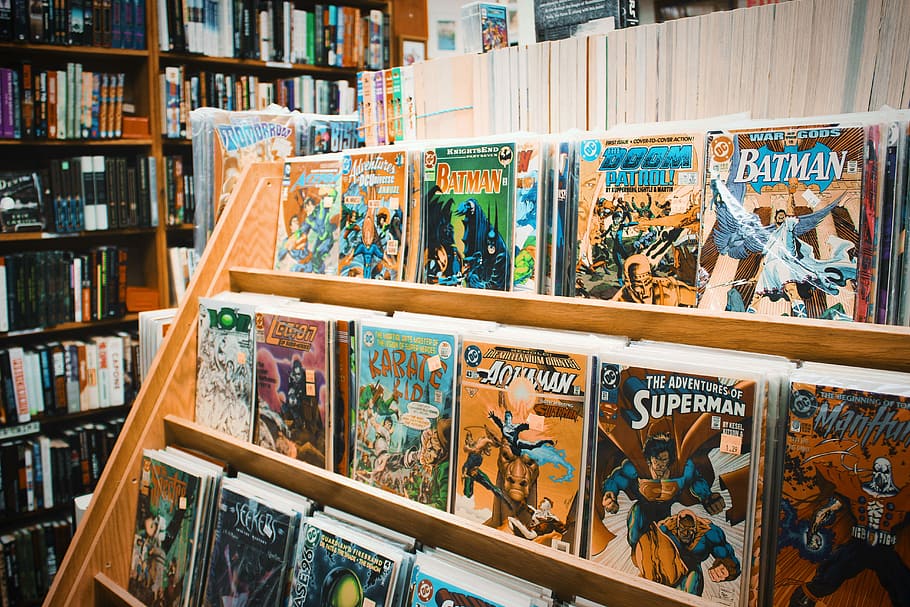
Comic books have long been a popular form of visual storytelling, captivating readers of all ages with their vibrant illustrations and engaging narratives. While these graphic narratives have amassed a dedicated following over the years, there are several unpopular opinions surrounding comic books that are worth exploring. Let's delve into some of these opinions, shedding light on the less-discussed aspects of comic book culture.
Comic Books Are Not Just for Kids
One common misconception about comic books is that they are solely created for children. However, the truth is far from it. Indeed, many comic book series cater specifically to adult audiences, incorporating themes, storylines, and complex characters that tackle deep and thought-provoking subjects. From exploring the complexities of human emotions to addressing socio-political issues, comic books have evolved into a medium that appeals to readers of all ages, bringing forth a diverse range of narratives.
Comic Books Can Be Valuable Collectibles
Another unpopular opinion is that comic books are mere disposable entertainment items. Contrary to this belief, comic books can be incredibly valuable collectibles, especially those that are rare or hold historical significance. In recent years, the comic book market has witnessed a surge in demand for vintage issues, leading to impressive price tags attached to certain rare editions. For instance, Action Comics #1, featuring the first appearance of Superman, was sold for a staggering amount of $3.2 million in 2014. This illustrates how comic books can extend beyond their initial purpose, becoming treasured items sought after by collectors worldwide.
Comic Books Are Not a Lesser Form of Literature
Despite the enduring popularity of comic books, a persistent opinion remains, suggesting that they are a lesser form of literature compared to novels or classic literature. However, this viewpoint overlooks the significant artistic and storytelling skills required to create a comic book. The combination of visual artistry, character development, and intricate plotting necessitates a unique set of talents. Additionally, comic books have often tackled complex social and philosophical themes, making them a legitimate form of literature that offers a distinct narrative experience.
Comic Books Are a Gateway to Reading
One controversial perspective is that comic books do not encourage reading, as they contain fewer words compared to traditional books. However, this notion neglects the numerous benefits comic books offer in terms of literacy development. For reluctant readers or those who struggle with traditional prose, the visual nature of comic books can serve as a gateway to reading. The combination of text and visuals aids in comprehension, strengthens vocabulary, and improves reading fluency. Moreover, comic books often introduce readers to complex narrative structures, enhancing their critical thinking skills.
Comic Book Characters Can Teach Valuable Life Lessons
Critics sometimes dismiss comic book characters as simplistic and lacking depth. However, the breadth of comic book characters and their development throughout story arcs often proves otherwise. These characters frequently portray complex psychological states, grapple with personal challenges, and embody various virtues or flaws. Through their struggles, triumphs, and personal growth, comic book characters can effectively teach readers valuable life lessons, fostering empathy, resilience, and personal reflection.
Comic Books Serve as an Artistic Outlet
Comic books encompass a wide array of artistic styles, showcasing the talents of illustrators, colorists, writers, and letterers. These visual narratives offer a unique platform for creative expression and experimentation. Artists can employ diverse techniques, from photorealism to abstract art, pushing the boundaries of conventional storytelling. Comic books not only entertain readers but also inspire aspiring artists, elevating the medium and its artistic value.
In conclusion, comic books are far more than mere entertainment for children. They are a versatile storytelling medium that caters to diverse audiences, delving into profound themes, and fostering creativity. The opinions surrounding comic books may be divided, but it is crucial to recognize their cultural impact, literary merit, and artistic significance. As readers delve into the colorful pages of these graphic narratives, they enter a world where imagination thrives, emotions are explored, and important narratives come to life.