

How comic books industry is changed in the last century
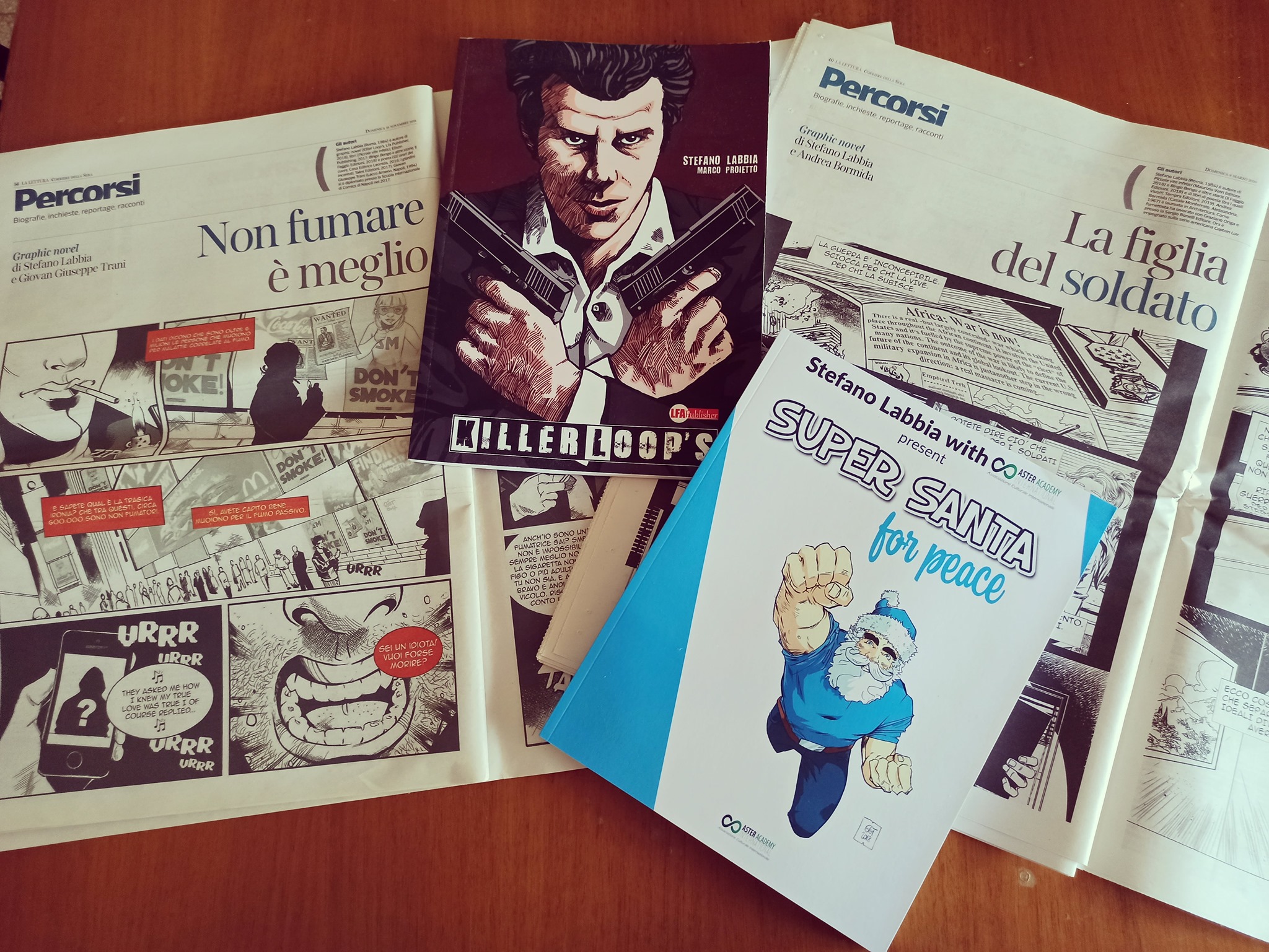
In the annals of popular culture, few mediums have exhibited such a remarkable transformation as comic books. For over a century, these sequential art narratives have captivated audiences, shifted societal paradigms, and spawned an entire industry brimming with creativity and imagination. From humble beginnings in the early 20th century to the multi-billion-dollar enterprise of today's superheroes, the comic book industry has weathered numerous storms, adapted to changing times, and emerged stronger than ever.
The genesis of the comic book can be traced back to the late 19th century, with the publication of Richard Outcault's groundbreaking comic strip, "The Yellow Kid." This spirited portrayal of urban life in the pages of Joseph Pulitzer's newspaper, The New York World, paved the way for the birth of newspaper comic strips. These single-panel or multi-panel cartoons brought humor and visual storytelling to the masses, captivating readers and becoming a staple of daily life.
As the 20th century dawned, a confluence of factors instigated a revolution in the comic book industry. In 1933, amidst the Great Depression, Major Malcolm Wheeler-Nicholson founded National Allied Publications, which would eventually become the iconic DC Comics. 1938 witnessed the debut of Superman, created by Jerry Siegel and Joe Shuster, marking the birth of the superhero genre. Readers were introduced to a new breed of characters grappling with social issues while embodying extraordinary abilities and virtues.
The year 1939 witnessed the emergence of a formidable competitor to DC Comics: Timely Publications, which would later rebrand as Marvel Comics. Spearheaded by creators like Stan Lee, Jack Kirby, and Steve Ditko, Marvel revolutionized the superhero landscape in the 1960s. Characters like the Fantastic Four, Spider-Man, the X-Men, and the Incredible Hulk burst onto the scene, resonating deeply with readers due to their relatable struggles, complex emotions, and imperfect natures. Marvel's approach marked a departure from conventional storytelling, presenting flawed heroes grappling with real-world issues, a narrative shift that would fundamentally alter the comic book landscape.
The 1960s were a transformative period, not just for Marvel, but for the entire industry. The Comics Code Authority, a self-regulatory body imposed due to concerns over violence and inappropriate content, began loosening its grip, paving the way for more mature and socially relevant storytelling. Creators increasingly focused on exploring intricate themes such as political unrest, civil rights, and personal struggles. This newfound artistic freedom allowed them to tackle previously taboo subjects, transcending the boundaries of the medium and captivating a more diverse audience.
Graphic novels, a format blending traditional comic book panels with the literary structure of novels, emerged as a game-changer in the 1980s. Works like Alan Moore and Dave Gibbons' "Watchmen" and Frank Miller's "The Dark Knight Returns" elevated the medium to new heights, showcasing the potential of sequential art as a serious literary form. These dark, gritty, and thought-provoking narratives explored moral ambiguity, existential crises, and the human condition in ways that resonated with readers like never before.
The advent of the internet accelerated the comic book industry's evolution and expanded its reach in the late 20th century. Digital platforms allowed creators to disseminate their content directly to audiences, bypassing traditional publishing channels. Webcomics gained popularity, providing a breeding ground for fresh talent and diverse storytelling. The indie scene flourished, with creator-owned projects flourishing amidst an ever-expanding sea of possibilities.
The 21st century witnessed a pronounced diversification of the comic book industry. Characters of different ethnicities, genders, and sexual orientations took center stage, ushering in a new era of representation and inclusivity. The success of Marvel's Black Panther and the groundbreaking Ms. Marvel, a Muslim teenage superhero, exemplify this shift. Comic book adaptations took the entertainment industry by storm, with blockbuster movies portraying beloved characters on the silver screen. This heightened visibility brought about a whole new wave of fans, both young and old, to the enriching world of sequential art.
Furthermore, technological advancements have enhanced the reading experience, with digital comics offering interactive features, motion graphics, and sound effects. Augmented reality has transformed comics into immersive experiences, blurring the boundaries between print and digital media. Moreover, the rise of crowdfunding platforms has allowed independent creators to finance and distribute their projects directly to fans, empowering them to work on passion projects without worrying about the constraints of mainstream publishers.
The comic book industry today stands as a behemoth of creativity and innovation, fueled by both traditional and digital platforms. It has evolved from a humble source of entertainment to a pervasive cultural force, continually challenging societal norms and driving conversations on a global scale. As we move forward, one thing remains certain: the comic book industry will continue to evolve, pushing the boundaries of storytelling, representation, and artistic expression, captivating audiences, and inspiring generations to come.